Last Updated on 20 February 2026 by Johan
The United Kingdom, officially the United Kingdom of Great Britain and Northern Ireland, is a diverse island nation with centuries of history, world‑famous cities, and some of Europe’s most varied landscapes. The UK consists of England, Scotland, Wales, and Northern Ireland, along with several Crown Dependencies and island groups. Its capital, London, is one of the world’s most visited cities, but the country offers far more than its metropolitan center. From rugged mountains and dramatic coastlines to rolling countryside and historic towns, the UK provides a rich travel experience for every type of visitor.
This up-to-date guide explores the geography, culture, and highlights of each region, along with practical information for planning a trip.
Geography and Regions of the United Kingdom
England
England is the largest and most populated part of the United Kingdom. Its landscapes range from fertile plains and gentle hills to dramatic uplands and long stretches of coastline. Much of the countryside is low‑lying, especially in the east, but the north and west feature more rugged terrain.
Key landscapes
- The Lake District: A national park known for mountains, lakes, and hiking trails.
- The Pennines: Often called the “backbone of England,” this range divides the northwest from Yorkshire.
- East Anglia: One of the flattest regions, known for agriculture and big skies.
- The English coastline: A mix of sandy beaches, chalk cliffs, and rocky coves.
Major cities
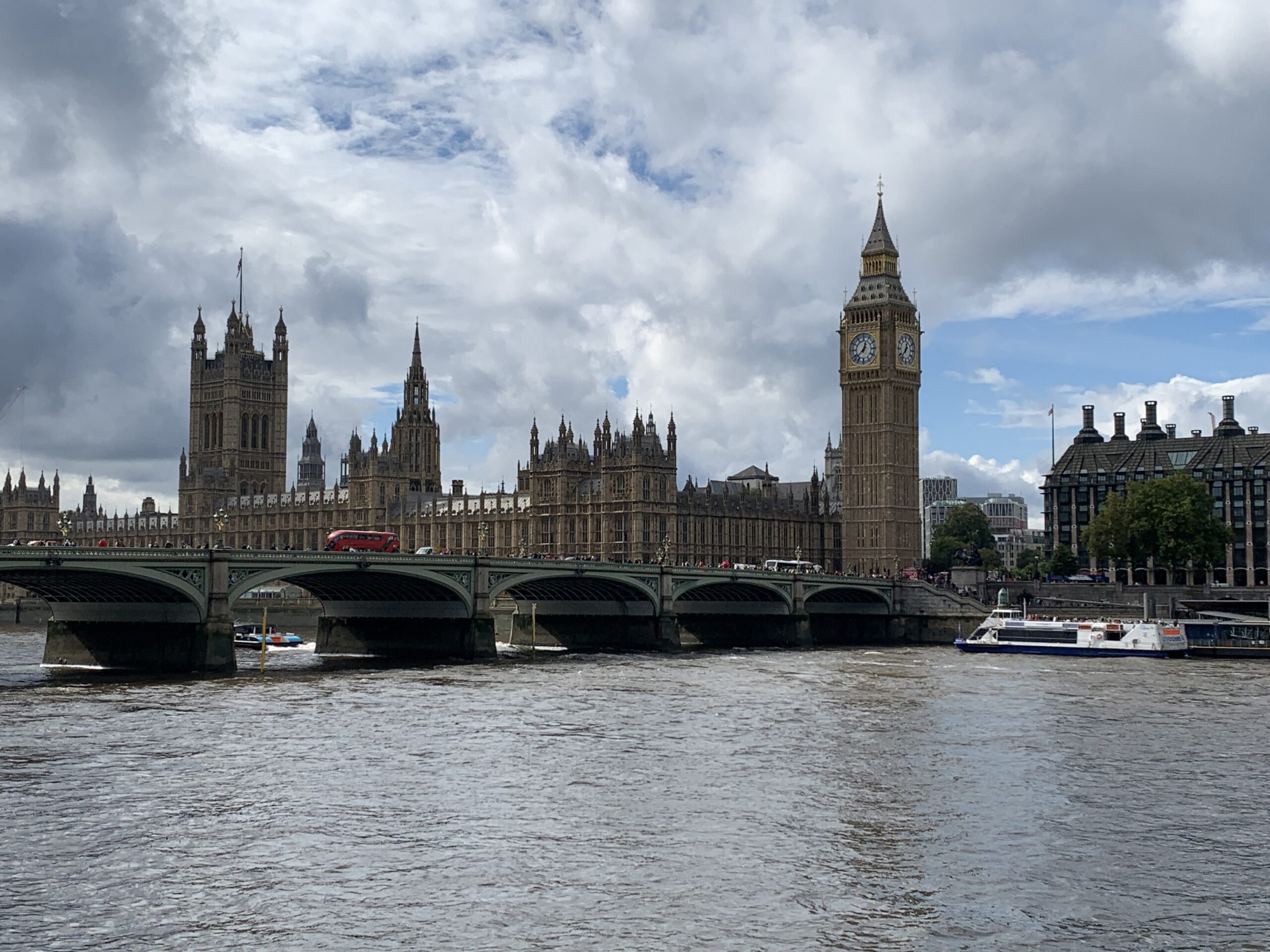
- London: The capital, known for museums, royal landmarks, and cultural diversity.
- Manchester: A hub for music, sports, and industry.
- Liverpool: Famous for maritime history and The Beatles.
- Birmingham: A major cultural and economic center.
Scotland
Scotland offers some of the most dramatic scenery in the UK. The country is divided into the Lowlands, where most people live, and the Highlands, known for mountains, lochs, and remote landscapes.
Key landscapes
- The Highlands: Home to Ben Nevis, the highest peak in the UK.
- Lochs and glens: Including Loch Ness and Glencoe.
- Islands: The Hebrides, Orkney, and Shetland each have distinct cultures and scenery.
Major cities
- Edinburgh: Known for its castle, festivals, and historic Old Town.
- Glasgow: A cultural center with museums, music venues, and Victorian architecture.
- Aberdeen: A coastal city with granite buildings and maritime heritage.
Wales
Wales is known for its rugged coastline, mountainous national parks, and strong cultural identity. The Welsh language remains an important part of daily life, especially in the north and west.
Key landscapes
- Snowdonia National Park: Home to Yr Wyddfa (Mount Snowdon), the highest peak in Wales.
- Pembrokeshire Coast: A national park with cliffs, beaches, and wildlife.
- Brecon Beacons: Rolling hills, waterfalls, and dark‑sky areas.
Major cities
- Cardiff: The capital, with a modern waterfront and historic castle.
- Swansea: A coastal city near the Gower Peninsula.
- Bangor: One of the oldest cities in Wales.
Northern Ireland
Northern Ireland combines dramatic coastlines, historic cities, and lush countryside. Its landscapes range from rugged cliffs to gentle farmland.
Key landscapes
- Giant’s Causeway: A UNESCO World Heritage Site of basalt columns.
- Causeway Coast: Known for beaches, cliffs, and scenic drives.
- Lough Erne: A lake district ideal for boating and fishing.
Major cities
- Belfast: The capital, known for the Titanic Quarter and Victorian architecture.
- Derry/Londonderry: A walled city with a rich cultural heritage.
Islands and Crown Dependencies United Kingdom
The UK is surrounded by island groups, each with its own character.
Channel Islands
The Channel Islands form a group of self‑governing Crown Dependencies located in the English Channel, close to the coast of Normandy. The main islands—Jersey, Guernsey, Alderney, Sark, and Herm—offer a mild climate, sandy beaches, dramatic cliffs, and a blend of British and French cultural influences. Each island has its own character: Jersey is known for its coastline and walking routes, Guernsey for its historic fortifications and scenic bays, and the smaller islands for quiet landscapes and car‑free environments. With well‑marked trails, fresh seafood, and a relaxed pace of life, the Channel Islands are an appealing destination for travelers seeking nature, history, and coastal scenery.
Isle of Man
Located in the Irish Sea, the Isle of Man is known for its rugged coastline, Celtic heritage, and the annual TT motorcycle races.
Culture and Heritage
The United Kingdom has a long and influential history. It is known for:
- Literature, from Shakespeare to modern authors
- Music, including global icons from The Beatles to contemporary artists
- Castles, cathedrals, and historic houses
- Museums and galleries with world‑class collections
- Distinct regional traditions, languages, and cuisines
Each region has its own identity, shaped by centuries of cultural development.
Climate
The UK has a temperate maritime climate, influenced by the Atlantic Ocean and the Gulf Stream. Weather can change quickly, but temperatures are generally mild.
Seasonal overview
- Spring: Mild, with blooming landscapes.
- Summer: Warm but rarely hot; ideal for outdoor activities.
- Autumn: Colorful foliage and cooler temperatures.
- Winter: Cold, with snow in northern and upland areas.
Travel Tips for Visitors
Getting around
- Rail: Extensive networks connect major cities and regions.
- Road travel: Ideal for exploring rural areas; driving is on the left.
- Domestic flights: Useful for long distances, such as London to Scotland.
- Ferries: Connect islands and coastal regions.
Accommodation
Options include hotels, guesthouses, B&Bs, hostels, and rural cottages. Booking ahead is recommended during summer and festival seasons.
National holidays
The UK’s official national celebration is the King’s Birthday, marked in June with the Trooping the Colour ceremony. (The previous Queen’s Birthday reference in the original page is outdated.)
Popular activities
- Hiking in national parks
- Visiting castles and historic sites
- Exploring coastal paths
- Attending festivals and cultural events
- Enjoying traditional pubs and local cuisine
Suggested Itinerary Ideas
Classic Highlights (7 days)
- London: Museums, royal landmarks, and neighborhoods
- Edinburgh: Castle, Old Town, and Arthur’s Seat
- Snowdonia: Hiking and scenic drives
- Belfast: Titanic Quarter and Causeway Coast
Nature and Coast (10 days)
- Cornwall: Beaches and coastal villages
- Pembrokeshire: Coastal walking routes
- Scottish Highlands: Mountains and lochs
- Giant’s Causeway: Geological wonders
Why Visit the United Kingdom
The UK offers a remarkable variety of landscapes, cultures, and experiences within a relatively small area. Visitors can explore ancient castles, modern cities, dramatic coastlines, and peaceful countryside—all connected by efficient transport networks. Whether you enjoy history, nature, food, or culture, the United Kingdom provides endless opportunities for discovery.
More relevant articles on UK:
- Alderney Travel Guide
- Alsten UK
- Ambleside UK
- Appleby-in-Westmorland UK
- Areas of Outstanding Natural Beauty (AONBs)
- Barnard Castle UK
- Barnoldswick UK
- Barrow-in-Furness
- Bath, United Kingdom
- Bedale UK
- Bentham UK
- Beverley UK
- Bingley
- Boroughbridge UK
- Bowness-on-Windermere
- Brampton
- Bridlington UK
- Broughton-in-Furness UK
- Carlisle UK
- Carnforth UK
- Channel Islands, UK
- Cleator Moor UK
- Clitheroe UK
- Cockermouth UK
- Cotswolds, United Kingdom
- Darlington UK
- Durham UK
- Easingwold UK
- Easingwold UK
- Edinburgh UK
- Filey UK
- Glastonbury, United Kingdom
- Grange-over-Sands UK
- Great Exhibition of London 1851
- Guernsey Travel Guide
- Guisborough UK
- Harrogate UK
- Harrogate, United Kingdom
- Hawes UK
- Hebden Bridge UK
- Helmsley UK
- Huddersfield UK
- Hull UK
- Ilkley UK
- Jersey Travel Guide
- Keighley UK
- Kendal UK
- Keswick (UK)
- Kirkby Lonsdale UK
- Kirkby Stephen UK
- Knaresborough UK
- Lake District and Cumbria UK
- London UK
- Malton UK
- Masham UK
- Middleham UK
- Middleton-in-Teesdale UK
- Newton Aycliffe UK
- North York Moors & Coast Overview (UK)
- Northallerton UK
- Pateley Bridge UK
- Penrith UK
- Pickering UK
- Richmond UK
- Ripon UK
- Sark, Channel Islands, UK
- Scarborough UK
- Scotland Itinerary by car 7–10 Day
- Scotland Travel Guide
- Sedbergh UK
- Settle UK
- Silsden UK
- Skipton UK
- Thirsk UK
- Wells Somerset, United Kingdom
- Wetherby UK
- Whitby UK
- Yarm UK
- York UK
- Yorkshire Dales UK
Sources
- Visit Britain https://www.visitbritain.com
- Visit Scotland https://www.visitscotland.com
- Visit Wales https://www.visitwales.com
- Discover Northern Ireland https://discovernorthernireland.com
- UK Government – About the UK https://www.gov.uk/government/organisations
- National Trust https://www.nationaltrust.org.uk