Last Updated on 2 September 2026 by Johan
Turkey is where continents, cultures, and centuries meet in one surprisingly accessible country. It feels familiar and exotic at the same time. You move from lively bazaars to quiet ruins in a single day. Yet the distances are manageable and the transport network is modern.
Turkey stretches from the Aegean Sea to the high plateaus of Eastern Anatolia. Therefore landscapes change quickly. On the coasts you find beaches, pine forests, and small harbours. Inland, however, you walk through steppe, deep valleys, and snow-covered mountains. This variety makes planning a trip both fun and slightly overwhelming.
Historically, Turkey has hosted Hittites, Greeks, Romans, Byzantines, and Ottomans. As a result, almost every region has important archaeological sites. The Ministry of Culture and Tourism manages many of them carefully, and information on opening hours and tickets is usually clear. You can often combine ruins with nearby towns, so days feel balanced rather than rushed.
Turkey travel overview
Most visitors start in Istanbul, the largest city and main international gateway. The new Istanbul Airport connects with many European and global destinations. From there, domestic flights reach almost every region within about one hour. Buses and trains still play a big role, so you can choose your pace and budget.
Istanbul itself deserves at least three full days. The historic Sultanahmet district holds Hagia Sophia, the Blue Mosque, and Topkapi Palace. These monuments show how religion and power shifted over time, yet the city kept its central role. A Bosphorus cruise adds another angle, literally, as you see palaces and neighbourhoods from the water.
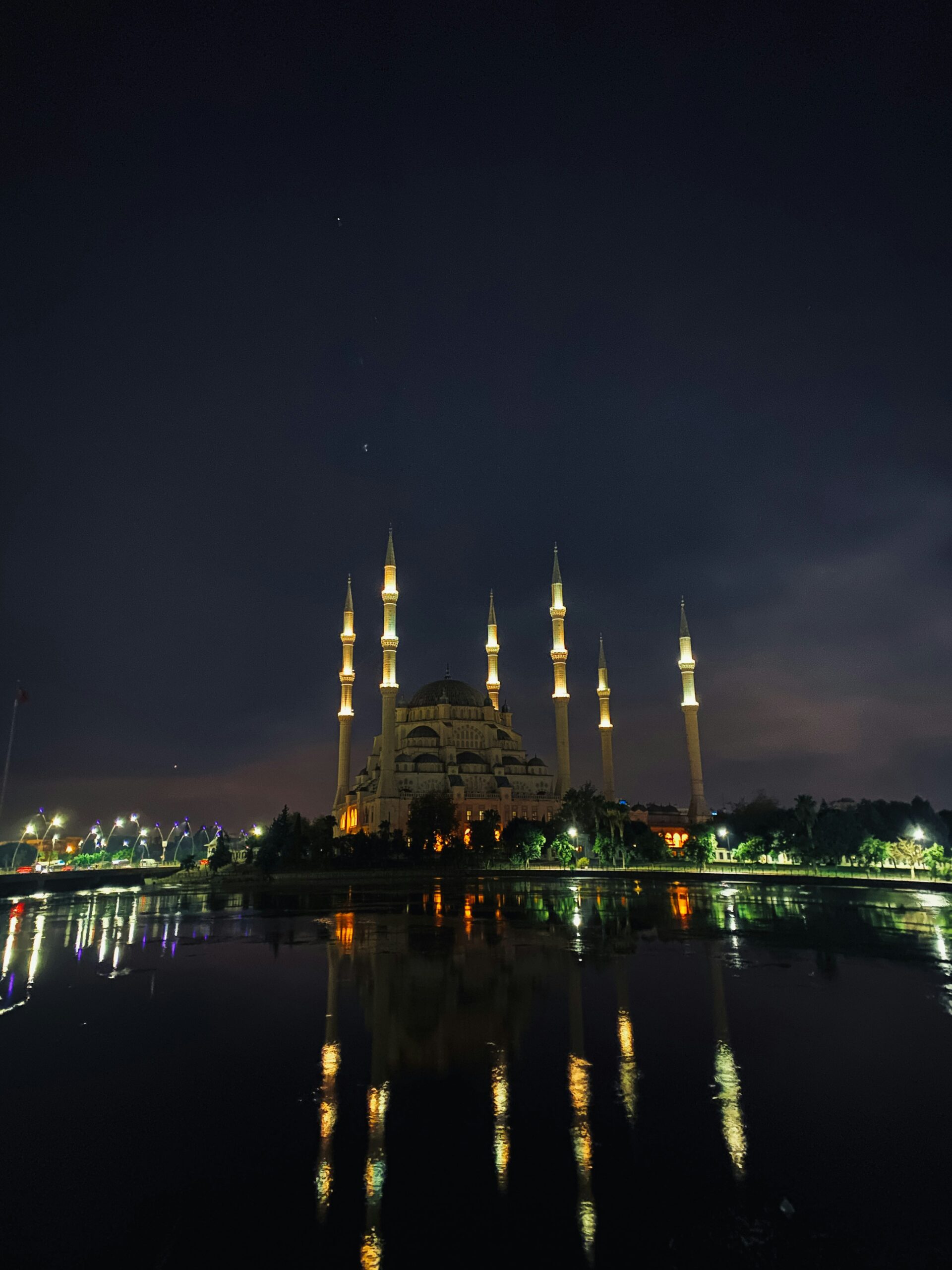
Turkey’s classic highlights
Beyond Istanbul, several regions appear on almost every itinerary. Cappadocia in Central Anatolia is famous for its fairy chimneys and cave hotels. The Göreme Open Air Museum displays rock-cut churches with vivid frescoes. Nearby, underground cities such as Derinkuyu reveal how people once hid from invaders. Hot air balloon flights at sunrise are popular, though weather can affect departures.
On the Aegean coast, Ephesus is one of the best-preserved ancient cities in the Mediterranean. You walk along marble streets, past the Library of Celsus and the Great Theatre. Close by, the remains of the Temple of Artemis recall one of the classical Seven Wonders. Further south, Pamukkale’s white travertine terraces and the ruins of Hierapolis combine thermal waters with history.
The Mediterranean, often called the Turquoise Coast, centres around Antalya. Its old town, Kaleiçi, has narrow streets, Ottoman houses, and small pensions. Just outside the city, you can visit the Roman theatre of Aspendos, the ancient city of Perge, and the seaside ruins of Side. Waterfalls such as Düden offer a cooler break on hot days.
Other regions of Turkey worth visiting
If you enjoy coastal scenery, the Lycian coast around Fethiye is a strong choice. Ölüdeniz’s blue lagoon is famous, yet nearby valleys and coves feel more relaxed. Boat trips to Kekova reveal sunken ruins, while paragliding above the lagoon adds a bit of adrenaline. The long-distance Lycian Way hiking trail links many small villages and ancient sites.
In the northwest, Çanakkale gives access to Gallipoli and Troy. The Gallipoli battlefields and cemeteries are moving, especially for visitors from Australia and New Zealand. Troy, meanwhile, connects myth and archaeology. Although the ruins are modest, the story and setting remain powerful.
Central Anatolia offers Konya, known for the Mevlana Museum and the tradition of whirling dervishes. Ankara, the capital, houses the Museum of Anatolian Civilizations and Anıtkabir, the mausoleum of Mustafa Kemal Atatürk. These sites help you understand modern Turkey, which is useful after days focused mainly on ancient history.
The Black Sea region feels different again. It has lush mountains, tea plantations, and cooler summers. Places like Rize and the high plateaus near Trabzon attract hikers and travellers who prefer quieter routes. Although infrastructure is improving, this area still feels less crowded than the main coastal strips.
Practical tips for travel in Turkey
Turkey uses the Turkish lira, and in recent years the exchange rate has favoured many visitors. Therefore mid-range hotels, meals, and entrance fees often feel affordable compared with Western Europe. However, prices can vary between regions and seasons, so checking current information remains important.
Public transport is generally reliable. Intercity buses are comfortable and frequent, while domestic flights save time on longer routes. In cities, you usually find trams, metros, and taxis. Museum passes offered by official institutions can reduce costs if you plan to visit several sites.
Tip from a local: try to visit major sights early in the morning or late in the afternoon. Crowds are smaller, and the light feels softer. You notice details on stones and facades that seem invisible at midday.
Safety conditions in Turkey’s main tourist regions are generally stable. Still, it is wise to follow official travel advisories from your own country. Local tourism offices and the national tourism portal also provide updates on events, museum openings, and seasonal changes.
More information on our website
- Adana Turkey: A Historical Gateway
- Airports in Turkey
- Alanya travel guide and tips
- Ankara Turkey
- Antalya Turkey, Ultimate travel guide
- Aspendos, archaeological site, Turkey
- Blue Cruises along Turkey’s coast
- Bodrum Turkey
- Capadosia
- Catalhoyuk Turkey
- Climate Turkey
- Cultural History of Turkey
- Culture in Turkey
- Economy of Turkey
- Edirne Turkey
- Etiquette in Turkey
- F1 Turkey at Istanbul Park
- Galata Tower: A Timeless Sentinel of Istanbul
- Geography Turkey
- Gordium Turkey
- Istanbul, Turkey
- İ̇zmit Turkey earthquake of 1999
- Lycians in Turkey (c. 545-362 BC)
- Political System Turkey
- The Aegean Civilizations in Turkey
- The Assyrian Trade Colonies in Turkey (1950 – 1750 BC)
- The Bronze Age in Turkey (c 3,000 – 1,200 BC)
- The Byzantine Empire in Turkey (330 – 1453)
- The Carians in Turkey
- The Chalcolithic Age in Turkey (5,500 – 3,000 BC)
- The Galatians in Turkey
- The Hatti Civilization in Turkey (c 2,500 – 2,000/1,700 BC)
- The Hatti-Hittite States in Turkey (c 2,100-1,700 BC)
- The Hittites in Turkey (1660 – 1190 BC)
- The Hurrians in Turkey
- The Lydians in Turkey (680 – 546 BC)
- The Neolithic Age in Turkey (8,000 – 5,500 BC)
- The Ottomans in Turkey (1299-1922)
- The Palaeolithic Age in Turkey
- The Phrygians in Turkey (750 – 650 BC)
- The Republic of Turkey
- The Romans in Turkey
- The Seljuks in Turkey
- The Trojans in Turkey
- The Urartians in Turkey (860 – 580 BC)
- Tourism in Turkey
- Turkey’s Airports for curious travellers
- Turkish Language
- Xanthos Lethoon Turkey
Touristically interesting places in Turkey
Below is a non-exhaustive list of relevant places for visitors, grouped by region:
- Istanbul: Hagia Sophia, Blue Mosque, Topkapi Palace, Grand Bazaar, Spice Bazaar, Bosphorus, Galata Tower, Balat, Princes’ Islands.
- Cappadocia: Göreme Open Air Museum, Uchisar Castle, Derinkuyu and Kaymakli underground cities, Ihlara Valley, Avanos, hot air balloon launch sites.
- Aegean: Ephesus, Temple of Artemis, Pamukkale and Hierapolis, Pergamon, İzmir seafront and bazaar districts, Foça, Çeşme, Kuşadası.
- Mediterranean: Antalya Kaleiçi, Aspendos, Perge, Side, Düden and Kursunlu waterfalls, Kaş, Kalkan, Alanya, Köyceğiz and Dalyan delta.
- Marmara and Çanakkale: Gallipoli battlefields, ANZAC Cove, Troy, Bursa historic centre, Gökçeada island.
- Central Anatolia: Ankara’s Museum of Anatolian Civilizations, Anıtkabir, Konya Mevlana Museum, Cappadocia towns.
- Black Sea: Trabzon, Sumela Monastery, Rize tea plantations, highland villages and plateaus.
- Eastern and Southeastern Anatolia: Van Lake region, Mount Nemrut, Şanlıurfa and Halfeti, Ahlat, Kars and Ani ruins.
Together, these places show how varied Turkey is, even within a single trip. With some planning, you can mix coast, culture, and countryside without feeling rushed.
Official non-commercial sources
- Republic of Türkiye Ministry of Culture and Tourism: https://www.ktb.gov.tr
- UNESCO World Heritage Centre – Türkiye: https://whc.unesco.org/en/statesparties/tr
- Istanbul Metropolitan Municipality tourism pages: https://visit.istanbul