Last Updated on 15 October 2026 by Johan
Mountain safety is not just a technical topic, it is the quiet backbone of every successful hike, pilgrimage or alpine climb in Europe. Because mountain environments combine altitude, fast‑changing weather, complex terrain and long distances from help, a clear safety routine turns a beautiful day out into a trip you can confidently remember rather than a story for rescue statistics.
Mountain safety as preparation before you leave home
Mountain safety starts long before your boots touch a trail. Around eighty percent of incidents are prevented by pre‑trip preparation, while only twenty percent depend on in‑the‑moment judgment. Therefore you should always tell a trusted person your detailed route, your planned start time, your expected return time and what gear you are carrying. This simple habit is repeatedly highlighted by both international safety councils and local European authorities as the single most important practice.
In Montenegro and Albania, official brochures for hikers and bikers echo the same message. You are advised to inform your family, friends and your local host or landlord about the details of your stay in the countryside, and you are reminded to always come back during daylight. When you combine this local advice with the wider mountain safety decision framework, you get a practical checklist: plan ahead, choose a trail that matches your fitness, start early in the morning, and leave enough time for rest, sightseeing and a safe return.
Because weather can change quickly, you should check the latest forecast before departure and then keep monitoring conditions during your trip. In Montenegro, the Hydrometeorological Office provides local data via stations in Kolašin and Žabljak, while in Albania you are encouraged to ask your host for additional information on local weather and specific risks. When you travel in Sweden’s mountain regions, the Swedish Tourist Association and the Swedish Mountain Safety Council offer detailed guidance and strongly recommend that you read their information before your trip, regardless of season.
Mountain safety on the trail: the 10 essentials and navigation
Once you are on the trail, mountain safety becomes a mix of gear, navigation and judgment. The Global Summit Guide’s 10 essentials system is widely adopted and fits perfectly with European hiking culture. You should carry navigation tools, sun protection, insulation layers, illumination, a first aid kit, fire‑starting equipment, repair tools, extra nutrition, sufficient hydration and emergency shelter on every serious hike. Proper footwear is also foundational, because ankle sprains and blisters are among the most common minor injuries that can turn into evacuation scenarios.
Navigation is another pillar of mountain safety that cannot be outsourced to a single device. Even along marked trails, Swedish guidance insists that you always carry both a map and a compass, although you may not need to check them constantly. In more remote Balkan areas, you are told to follow marked hiking and biking maps and to turn back if in doubt. Modern GPS units and smartphone apps are extremely useful, yet they should complement rather than replace traditional tools, especially when mobile coverage is limited or absent, as is often the case in Scandinavian and alpine regions.
Because getting lost is one of the most stressful situations in the mountains, the STOP framework from wilderness search and rescue training is worth memorising. If you become disoriented, you should Stop, Think, Observe and Plan instead of rushing on and compounding errors. When you have already shared your route with someone at home, staying put in a safe location and making yourself visible is often the best option, since it allows mountain rescue teams to focus their search.
Mountain safety and emergency communication in Europe
Emergency communication is a core part of mountain safety, and Europe has a relatively simple starting point: the emergency number 112. In Montenegro and Albania, official mountain safety leaflets clearly list 112 as the primary number for accidents in the mountains, connecting you to emergency and civil security services as well as the police. In Sweden, emergency phones in mountain cabins and some shelters connect directly to the police operations centre and mountain rescue services, and you are encouraged to use them not only to raise the alarm but also to report delays so that unnecessary rescue operations can be avoided.
However, because mobile coverage is unreliable in many mountain areas, you should not depend solely on your phone. The Global Summit Guide strongly recommends carrying a personal locator beacon or a satellite messenger for any trip beyond normal cell service. Devices such as the ACR ResQLink, Garmin inReach Mini or ZOLEO allow you to trigger an SOS and, in the case of two‑way messengers, to describe your situation to rescuers. When you combine these tools with local emergency numbers and cabin phones, you create a layered communication plan that significantly improves your mountain safety margin.
In New Zealand, the Mountain Safety Council uses media releases and safety videos to warn about avalanche danger and to explain equipment choices such as crampons versus microspikes. Although the terrain is different, the underlying lesson travels well to European ranges: you should match your gear to the conditions, avoid avalanche terrain when warnings are high, and treat official advisories as part of your planning rather than as background noise.
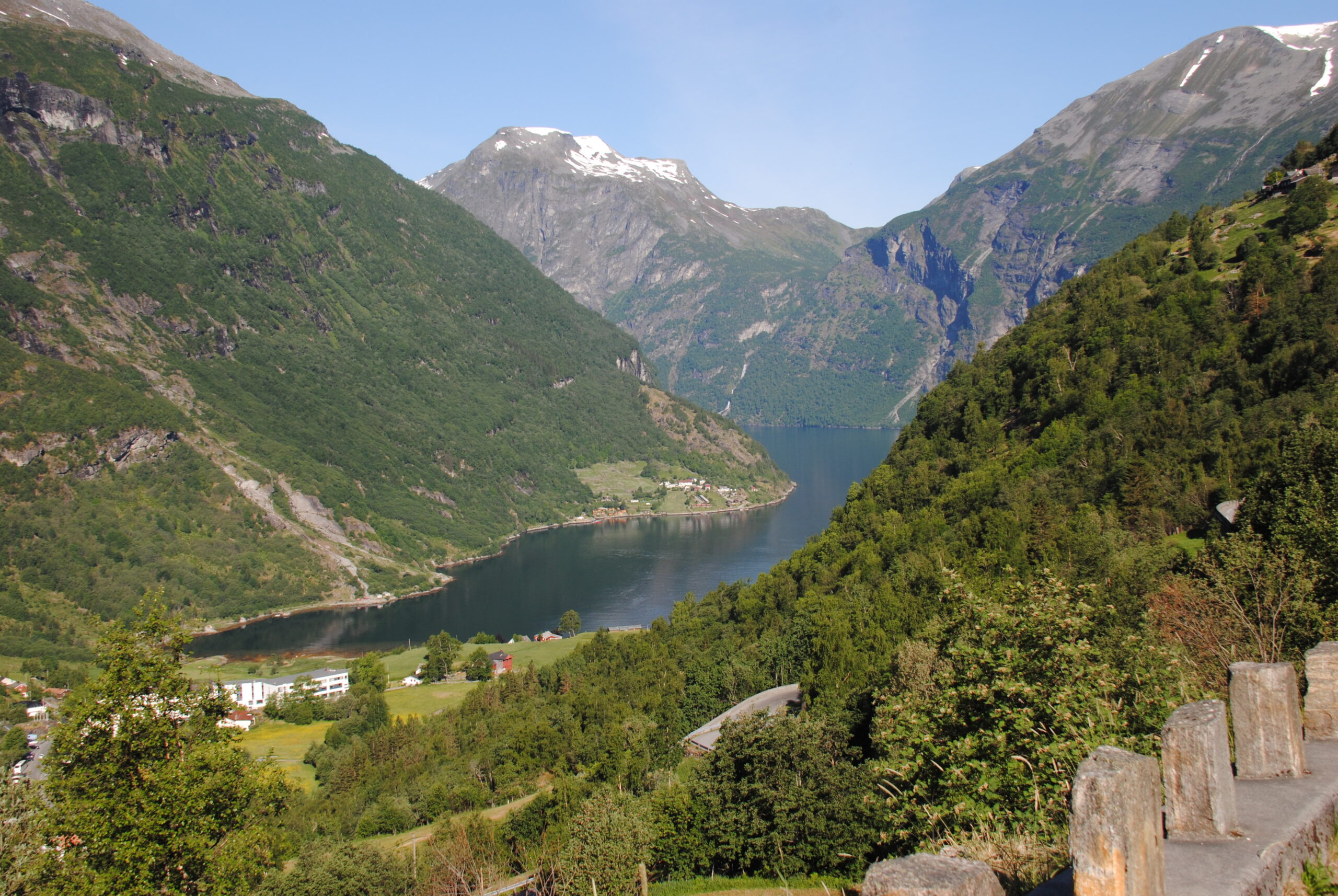
Mountain safety, weather and avalanche awareness
Weather is repeatedly identified as the underlying cause of many serious mountain incidents, and therefore it deserves constant attention. In European summer conditions, a simple but powerful rule is to aim to reach summits before noon, especially on exposed ridges where afternoon thunderstorms are common. This timing reduces your exposure to lightning and heavy rain, and it fits well with the advice from Balkan brochures to start early and to return while there is still daylight.
In winter and spring, avalanche risk adds another layer to mountain safety. The international knowledge base at MountainSafety.info focuses on avalanche rescue techniques, including group checks of transceivers, efficient excavation using snow transport chains and triage criteria when rescuers are limited. These materials emphasise that systematic training and clear leadership are essential when multiple victims or complex terrain are involved. Although online resources are valuable, the Global Summit Guide and avalanche organisations agree that in‑person courses such as AIARE Level 1 are the minimum standard for anyone entering avalanche terrain.
Because avalanche rescue depends on precise coordination, you should practise with your beacon, probe and shovel before venturing into steep snow slopes. Furthermore, you should avoid avalanche terrain entirely when you lack training or when official bulletins warn of high danger, as the New Zealand Mountain Safety Council’s storm‑related warnings illustrate. In many European regions, local avalanche services publish daily bulletins, and integrating these into your mountain safety routine is as important as checking the general weather forecast.
Mountain safety and personal wellbeing on the trail
Mountain safety is not only about external hazards, it also involves your own physiology and mental shortcuts. Hydration, nutrition and pacing are repeatedly highlighted in both global and Balkan guidance. You are advised to bring enough fluids, preferably water, tea or natural juices, and to carry nutritious foods such as wholemeal bread, dried fruits and nuts. Starting slowly, choosing a moderate walking speed and taking regular breaks, especially when children or less fit companions are in the group, helps prevent fatigue‑related accidents.
A warning against summit fever must be given: honour your turnaround time even when the summit looks close. When you combine this psychological awareness with practical habits like checking in via text or satellite messenger at key points, you build a more resilient mountain safety mindset.
Respect for nature and other users also appears in every local leaflet. You are asked to avoid unnecessary noise, to dispose of waste properly, to leave places as you found them and to be considerate of slower members of your group. These behaviours may seem like etiquette, yet they also support mountain safety by keeping trails pleasant, reducing wildlife disturbance and encouraging cooperative problem‑solving when conditions change.
Signing the guest books in mountain cabins and shelters, as recommended by the Swedish Tourist Association, creates a subtle but real safety net, because your route is traceable if someone needs to look for you.
Mountain safety emergency steps when accidents happen
Even with careful planning, accidents can still occur, and mountain safety guidance from Montenegro and Albania offers a clear sequence for those moments. You are urged to stay calm, not to panic, and to calm yourself and others in the group. You should protect injured people and yourself from immediate dangers such as falling rocks, choking, cold and humidity as best you can, and you should provide first aid within your abilities.
Immediately notifying competent authorities using the listed contact telephone numbers, and then following the instructions you receive, is crucial. In Montenegro, you can reach the Operational Communication Centre of the Sector for Emergency Situations and Civil Security, the Mountain Rescue Service of Montenegro and the police. In Albania, emergency and civil security services, local medical care in Theth and Valbona, and the police are all reachable via the published numbers. When combined with the European 112 system and modern satellite devices, these contacts form a robust emergency network.
Because first aid skills greatly influence outcomes, the Global Summit Guide recommends Wilderness First Aid as a baseline course for serious hikers, with Wilderness First Responder for backcountry travellers and guides. These courses teach environmental medicine, improvised treatments and decision‑making in resource‑limited settings, which are directly relevant to European mountain tourism where evacuation times can be long and weather can deteriorate quickly.
Mountain safety FAQ for European travellers
How should I share my mountain route before a hike?
You should send a written message, such as a text or email, to a trusted contact with your trailhead, planned route, turnaround point, expected return time, vehicle details and what they should do if you are late. In some regions, you can also sign guest books in cabins and shelters, which adds another trace of your journey.
Which emergency numbers are used for mountain safety in Europe?
The general European emergency number 112 works in most countries and is specifically listed for mountain accidents in Montenegro and Albania. Local mountain rescue organisations in Sweden and other countries can also be reached via emergency phones in cabins or through 112.
What basic equipment should I carry for mountain safety?
You should carry the 10 essentials: navigation tools, sun protection, insulation, illumination, a first aid kit, fire‑starting equipment, repair tools, extra food, sufficient water and emergency shelter. Proper footwear and appropriate clothing for rain and cold are also strongly recommended.
Is mobile coverage reliable in European mountain areas?
Mobile coverage is often limited or absent in many mountain regions due to rugged terrain and long distances. Therefore you should not rely solely on your phone and should consider carrying a personal locator beacon or satellite messenger, while also using emergency phones where available.
How can I reduce avalanche risk during winter trips?
You should avoid avalanche terrain when danger levels are high, follow official bulletins, and take an in‑person avalanche course before travelling on steep snow slopes. Practising with your beacon, probe and shovel and understanding group check procedures are also essential parts of avalanche‑related mountain safety.
Sources for this mountain safety guide
- Peak of the Balkans – Mountain Safety in Montenegro (PDF): https://www.peaksofthebalkans.com/pdf/Mountain_Safety_in_Montenegro.pdf
- Peak of the Balkans – Mountain Safety in Albania (PDF): https://www.peaksofthebalkans.com/pdf/Mountain_Safety_in_Albania.pdf
- Swedish Tourist Association – All about mountain safety: https://www.swedishtouristassociation.com/guides/mountain-safety
- MountainSafety.info – Avalanche rescue knowledgebase: https://mountainsafety.info