Last Updated on 20 February 2026 by Johan
The Netherlands is a small but influential country in north‑western Europe. It borders Germany to the east, Belgium to the south and the North Sea to the north and west. Although many people refer to the country as “Holland,” this name technically applies only to the provinces of North Holland and South Holland. The Netherlands consists of twelve provinces, each with its own identity, landscapes and traditions.
Much of the country lies below sea level, protected by an advanced system of dikes, dunes and water‑management structures. The Dutch have shaped their landscape for centuries, reclaiming land from the sea and developing innovative engineering solutions. Today, the Netherlands is known for its cycling culture, windmills, tulip fields, canals, liberal social policies and vibrant cities.
History and Culture of the Netherlands
The Netherlands has a long history of trade, exploration and cultural development. During the 17th century, known as the Dutch Golden Age, the country became a global maritime power. Dutch merchants established trade routes across the world, and artists such as Rembrandt, Vermeer and Frans Hals produced masterpieces that continue to influence art today.
The country is also known for its progressive social policies. It was the first nation to legalize same‑sex marriage and has long maintained liberal approaches to issues such as euthanasia, reproductive rights and regulated cannabis use. The Dutch value openness, equality and practicality, which is reflected in daily life and public policy.
The Hague, although not the capital, is the seat of government and home to several major international institutions, including the International Court of Justice, the International Criminal Court and Europol.
Top Attractions in the Netherlands
Amsterdam
Amsterdam is the capital and one of Europe’s most visited cities. Its historic centre is built around a network of canals dating from the 17th century. Visitors can explore world‑class museums such as the Rijksmuseum, the Van Gogh Museum and the Anne Frank House. The city’s neighbourhoods offer a mix of historic architecture, cafés, markets and cultural venues.
Amsterdam is also known for its liberal atmosphere, nightlife and artistic heritage. The Jordaan district, Vondelpark and the canal belt are popular areas for walking and cycling. Just outside the city, traditional villages such as Volendam and Marken offer a glimpse of Dutch rural life.
Keukenhof Gardens
Located in Lisse, Keukenhof is one of the world’s largest flower gardens. It opens each spring and features millions of tulips, daffodils and other flowers arranged in themed displays. The surrounding region, known as the Flower Strip, is famous for its colourful fields and flower farms.
The Hague
The Hague is the political centre of the Netherlands. Visitors can explore the Binnenhof, the Peace Palace and the Mauritshuis Museum, which houses works by Vermeer and Rembrandt. The city also has a long coastline, with the beach resort of Scheveningen offering promenades, restaurants and seaside activities.
Rotterdam
Rotterdam is known for its modern architecture, innovative design and major port, one of the largest in the world. Highlights include the Erasmus Bridge, the Markthal, the Cube Houses and the Museum Boijmans Van Beuningen. The city has a dynamic cultural scene, with festivals, galleries and contemporary art spaces.
Kinderdijk
Kinderdijk is a UNESCO World Heritage Site featuring 19 historic windmills built in the 18th century. These windmills were part of a water‑management system designed to prevent flooding in the low‑lying Alblasserwaard region. Visitors can walk or cycle along the canals and learn about traditional Dutch engineering.
Utrecht
Utrecht is a lively university city with a medieval centre, canals and historic buildings. The Dom Tower, the tallest church tower in the Netherlands, offers panoramic views. The city is also home to the Rietveld Schröder House, a UNESCO World Heritage Site and an important example of De Stijl architecture.
Giethoorn
Giethoorn is often called the “Venice of the North” because many of its houses are accessible only by water. Visitors can explore the village by boat, walk along footpaths and enjoy the peaceful atmosphere of this unique community.
Regional Highlights in the Netherlands
North Holland and South Holland
These provinces include major cities such as Amsterdam, Rotterdam, The Hague, Haarlem and Leiden. They are known for beaches, dunes, tulip fields and historic towns.
Friesland
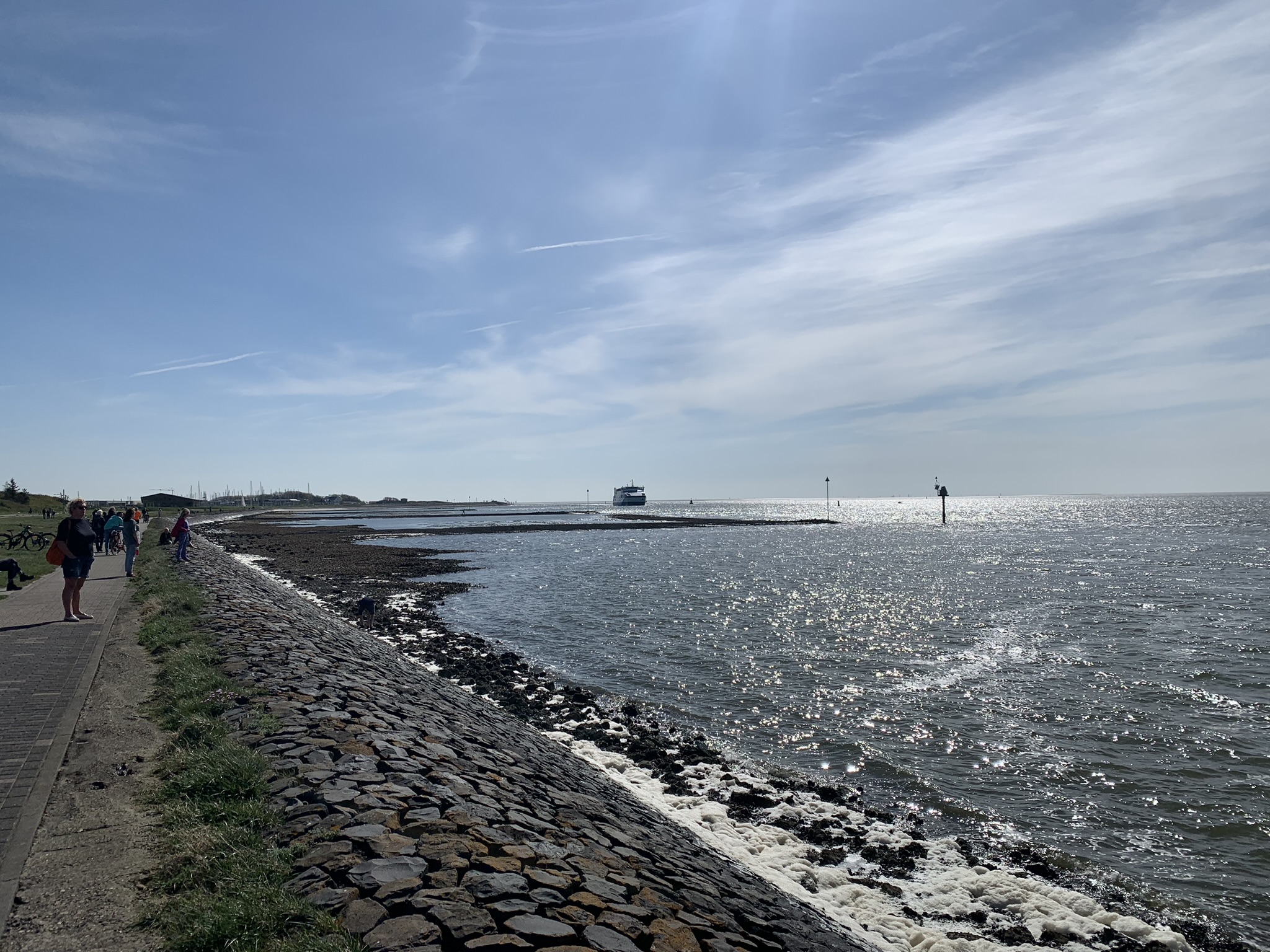
Friesland, in the North, has its own language, traditions and landscapes. The province is known for lakes, sailing, ice‑skating routes and the Wadden Sea, a UNESCO World Heritage Site.
Gelderland
Gelderland is home to Hoge Veluwe National Park, one of the country’s largest nature reserves. The park includes forests, heathlands and the Kröller‑Müller Museum, which has an extensive Van Gogh collection.
Limburg
Limburg has rolling hills, vineyards and a distinct cultural identity. The city of Maastricht is one of the oldest in the Netherlands and known for its historic centre and culinary scene.
Practical Information for Tourists in the Netherlands
Getting Around
The Netherlands has an excellent public transport system, including trains, trams, buses and ferries. Cycling is one of the most popular ways to travel, with dedicated bike lanes throughout the country.
Climate
The Netherlands has a temperate maritime climate with mild summers and cool winters. Rain is possible throughout the year, so visitors should be prepared for changing weather.
Language
Dutch is the official language, but English is widely spoken, especially in cities and tourist areas.
Safety
The Netherlands is considered a safe destination with low crime rates. Urban areas are well lit and easy to navigate.
Cuisine
Traditional Dutch dishes include stamppot, pea soup, herring and cheese. The country is also known for its bakeries, street markets and international cuisine.
Why Visit the Netherlands
The Netherlands offers a blend of history, culture, nature and modern design. Its compact size makes it easy to explore multiple regions in a short time. Whether visiting museums, cycling through the countryside, enjoying tulip fields or exploring vibrant cities, travellers will find a country that is welcoming, diverse and full of character.
More information about the Netherlands:
Sources
https://www.netherlandsworldwide.nl
https://www.holland.com
https://www.rijksmuseum.nl
https://www.unesco.org
https://www.knmi.nl