Last Updated on 20 February 2026 by Johan
The Atlantic Ocean shapes the climate, culture, and landscapes of Europe’s western coastline. Stretching from the Arctic to the southern tip of Africa, the Atlantic is the world’s second‑largest ocean and a defining feature of many European countries. Its coastline includes rugged cliffs, long sandy beaches, fishing villages, and major port cities. For travelers, the Atlantic Coast offers a mix of nature, history, and outdoor activities that make it one of the most diverse regions in Europe.
This guide explores the Atlantic Ocean’s character, the most notable coastal destinations, and practical information for planning a trip along Europe’s Atlantic shores.
Understanding the Atlantic Ocean
The Atlantic Ocean covers more than 100 million square kilometers and plays a major role in global weather patterns. The Gulf Stream, one of the world’s most important ocean currents, brings warmer water from the Gulf of Mexico toward Western Europe. This current helps create the mild climate found in countries such as Ireland, France, and Portugal.
The Atlantic is also known for its biodiversity. Marine life includes whales, dolphins, seals, seabirds, and a wide range of fish species. Many coastal areas are protected as national parks or marine reserves, offering opportunities for wildlife watching and sustainable tourism.
Europe’s Atlantic Coast: Regions and Highlights
Europe’s Atlantic coastline stretches from northern Norway to southern Portugal. Each region has its own character, shaped by geography, climate, and cultural traditions.
Norway: The Northern Atlantic
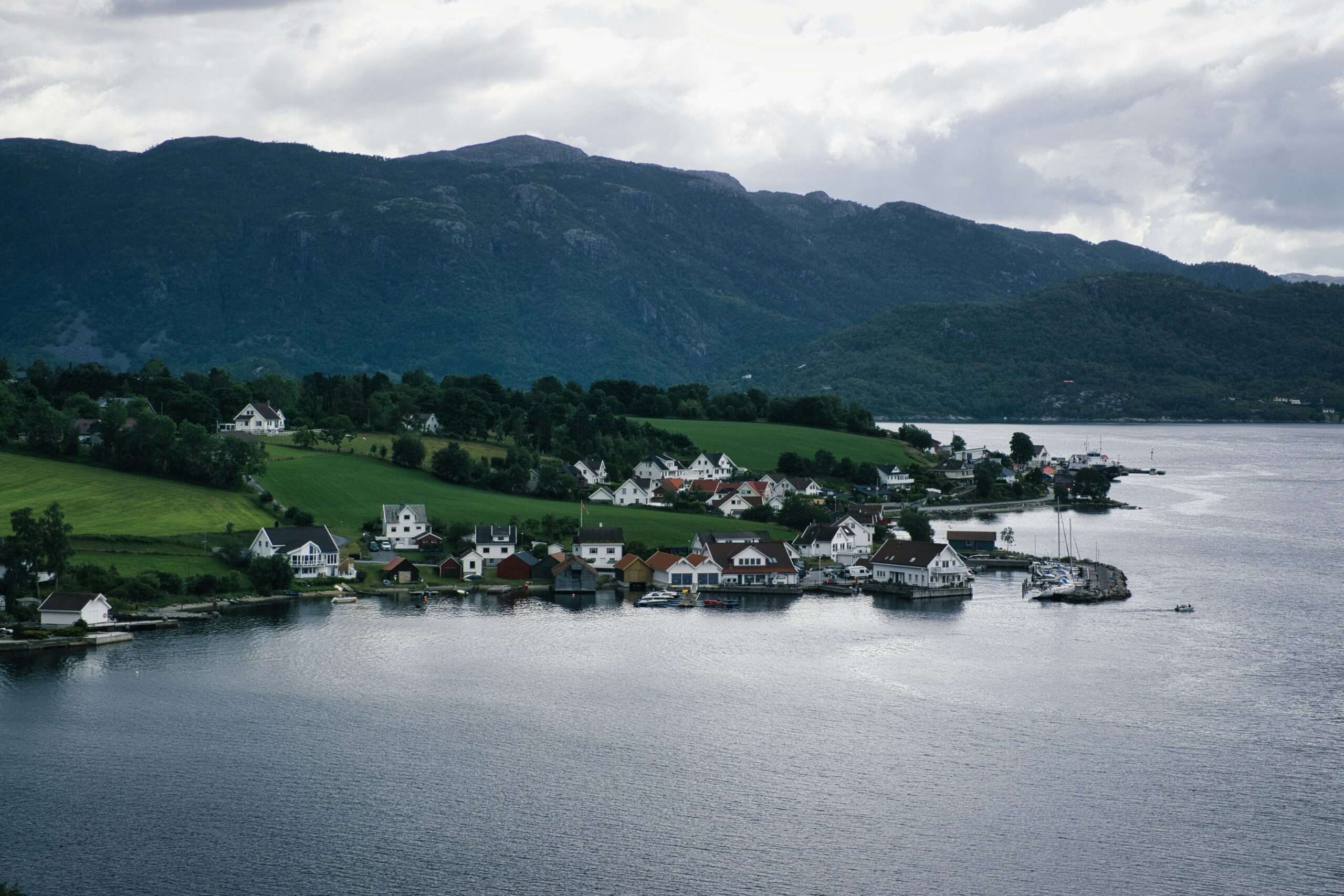
Norway’s Atlantic coastline is famous for its fjords, islands, and dramatic cliffs. Although the country is often associated with the Arctic Ocean, its western coast opens into the North Atlantic.
Highlights
- The fjords of western Norway
- Coastal towns such as Bergen and Ålesund
- Wildlife including whales and seabirds
The coastline is ideal for hiking, boat tours, and scenic drives.
Ireland: Wild Atlantic Way
Ireland’s Atlantic coast is known for its rugged beauty. The Wild Atlantic Way, one of the world’s longest coastal routes, stretches more than 2,500 kilometers along the western edge of the island.
Famous cities and beaches
- Galway: a lively cultural city with easy access to Connemara
- Dingle: a colorful town surrounded by dramatic cliffs
- Inch Beach: a long sandy beach popular with surfers
The region offers hiking, surfing, traditional music, and historic sites.
United Kingdom: Atlantic Coast of England, Wales, and Scotland
The UK’s Atlantic coastline includes Cornwall, Devon, Pembrokeshire, and parts of western Scotland.
Notable destinations next to Atlantic Ocean
- Cornwall: known for St Ives, Newquay, and long sandy beaches
- Pembrokeshire: a national park with cliffs and wildlife
- Isle of Skye: dramatic landscapes shaped by Atlantic weather
Surfing, coastal walking, and wildlife watching are major attractions.
France: Côte Atlantique
France’s Atlantic Coast stretches from Brittany to the Spanish border. It is known for its beaches, seafood, and maritime heritage.
Famous cities and beaches on Atlantic Ocean
- Biarritz: a historic resort and one of Europe’s top surfing destinations
- La Rochelle: a port city with medieval towers and a lively marina
- Brittany: rugged coastlines, lighthouses, and Celtic culture
- Île de Ré: sandy beaches and cycling paths
The region is popular for family holidays, water sports, and coastal cycling.
Spain: Northern Atlantic Coast
Spain’s Atlantic coastline includes Galicia, Asturias, Cantabria, and the Basque Country. This region is known for green landscapes, cliffs, and cooler summers.
Highlights
- San Sebastián: famous for La Concha Beach and world‑class cuisine
- A Coruña: home to the Tower of Hercules, a UNESCO World Heritage Site
- Costa da Morte: dramatic cliffs and lighthouses
The area offers excellent seafood, hiking routes, and cultural festivals.
Portugal: The Western Edge of Europe
Portugal’s Atlantic coast is one of Europe’s most popular coastal regions. It combines historic cities, surf beaches, fishing villages, and dramatic cliffs.
Famous cities and beaches of the Atlantic Ocean
- Porto: a UNESCO‑listed city on the Douro River
- Lisbon: close to Atlantic beaches such as Cascais and Costa da Caparica
- Nazaré: known for some of the world’s largest surfable waves
- Alentejo Coast: quieter beaches and natural parks
Portugal’s coastline is ideal for surfing, seafood dining, and cultural exploration.
Outdoor Activities Along the Atlantic Coast
The Atlantic Coast offers a wide range of outdoor activities suitable for all types of travelers.
Surfing the Atlantic Ocean
The Atlantic Coast of Europe is one of the world’s top surfing regions. Notable surf destinations include:
Hiking
Coastal trails offer dramatic scenery and access to remote beaches.
Wildlife Watching
The Atlantic Ocean supports rich marine life.
- Whale watching in the Azores and Norway
- Birdwatching in Brittany and Scotland
- Seal colonies in Ireland and the UK
Sailing and Water Sports on the Atlantic Ocean
Many coastal cities offer sailing schools, boat rentals, and guided tours.
Climate and Best Time to Visit
The Atlantic climate varies widely from north to south.
Northern Atlantic (Norway, Scotland)
- Cool summers
- Cold winters
- Frequent rain and wind
Central Atlantic (France, Ireland, UK)
- Mild temperatures year‑round
- Warm summers
- Changeable weather
Southern Atlantic (Portugal, Spain)
- Warm summers
- Mild winters
- Ideal for beach holidays from May to October
Travelers should be prepared for wind and sudden weather changes, especially in northern regions.
Practical Travel Tips
Transportation
- Major cities such as Lisbon, Porto, Bordeaux, and Bilbao have international airports.
- Coastal trains and buses connect many regions.
- Renting a car offers flexibility for exploring remote beaches and villages.
Accommodation near the Atlantic Ocean
Options range from seaside hotels and guesthouses to campsites and eco‑lodges. Booking early is recommended during summer.
Safety
Atlantic beaches can have strong currents. Visitors should follow local safety flags and lifeguard instructions.
Food from the Atlantic Ocean
Seafood is a highlight across the Atlantic Coast. Regional specialties include:
- Oysters in Brittany
- Pintxos in the Basque Country
- Grilled sardines in Portugal
- Fish and chips in coastal UK towns
Why Visit the Atlantic Coast
Europe’s Atlantic Coast offers a rare combination of natural beauty, cultural diversity, and outdoor adventure. Whether you enjoy surfing, hiking, historic cities, or quiet beaches, the Atlantic coastline provides endless opportunities for exploration. Its landscapes range from northern fjords to southern cliffs, and its cities blend maritime heritage with modern culture. For travelers seeking variety and authenticity, the Atlantic Coast is one of Europe’s most rewarding regions.
Sources
- Visit Portugal https://www.visitportugal.com
- France Tourism (Atout France) https://www.france.fr
- Tourism Ireland https://www.ireland.com
- Visit Norway https://www.visitnorway.com
- Spain Official Tourism Portal https://www.spain.info
- Visit Britain https://www.visitbritain.com